
Casement
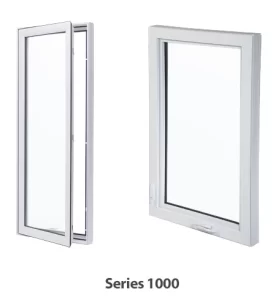
Hinged on the side and opens outward using a crank handle. Provides the tightest seal of any operable
window because the sash presses firmly against weather stripping when closed. Excellent for energy
efficiency and ventilation. Downsides are cost and wind exposure.
Relative cost: $$$
Best use: Kitchens, above sinks, hard to reach areas
Picture
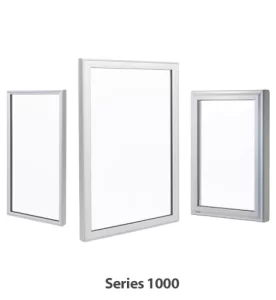
Fixed non-operable window designed purely for light and view. Most energy efficient since there are no
moving parts or seals. No ventilation.
Relative cost: $
Best use: Living rooms, stairwells, scenic views
Fixed Casement
Matches casement appearance but does not open. Used for symmetry beside operating units. Same
efficiency as picture window.
Relative cost: $$
Best use: Beside casement windows
Single Hung
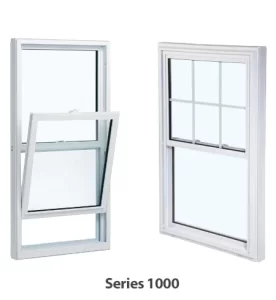
Bottom sash moves up, top is fixed. Simpler hardware keeps cost down but limits ventilation.
Relative cost: $$
Best use: Bedrooms, rentals
Double Hung
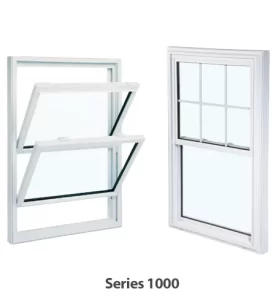
Both sashes move allowing ventilation from top or bottom. Slightly less efficient than casement but very
versatile.
Relative cost: $$$
Best use: Bedrooms, egress locations
Slider
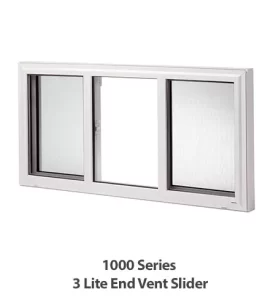
Moves horizontally on a track. Easy to operate and good for wide openings. Track can collect dirt and
reduce seal quality.
Relative cost: $$
Best use: Basements, wide walls
Awning
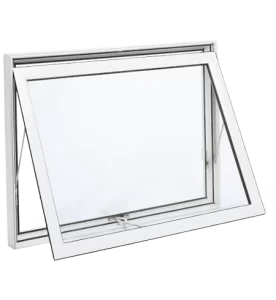
Hinged at top and opens outward from bottom. Allows ventilation even during rain.
Relative cost: $$$
Best use: Bathrooms, above doors
Bay
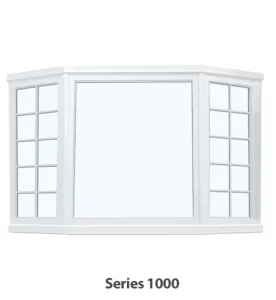
Three window unit that projects outward creating shelf space and light. Structural support required.
Relative cost: $$$$
Best use: Front living areas
Bow
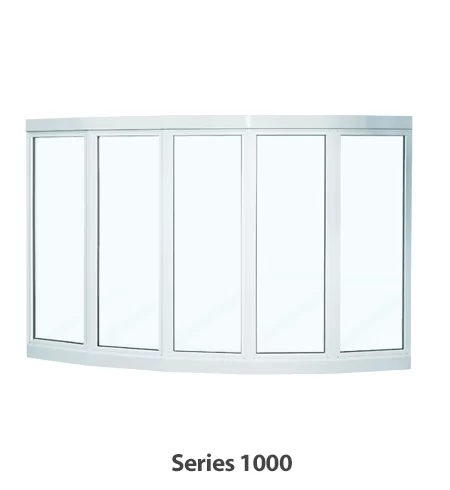
Curved version of bay with 4–6 panels. More elegant and more expensive.
Relative cost: $$$$
Best use: Feature walls